Industrial product costs continue to face upward pressure, and the reasons extend well beyond the cost of raw materials.
From manufacturing and transportation to tariffs and supply constraints, several factors are contributing to higher costs throughout the global supply chain.
Here’s a closer look at what’s happening.
1. Raw Material Inflation Continues
Raw material prices have increased for 24 consecutive months. In October, 16 of 18 manufacturing industries reported higher input costs, including plastics and rubber.
2. Rubber and Silicone Prices Are Rising
Nine of the twelve regional rubber and silicone price indicators tracked in October increased month over month, reflecting continued upward pressure across key elastomer categories.
3. Petroleum Costs Remain Elevated
Higher oil prices are increasing the cost of petroleum-based synthetic rubber and other chemical inputs used in industrial manufacturing.
4. Energy Costs Are Adding Pressure
Higher fuel, natural gas, and electricity costs are increasing manufacturing, processing, and transportation expenses across global supply chains.
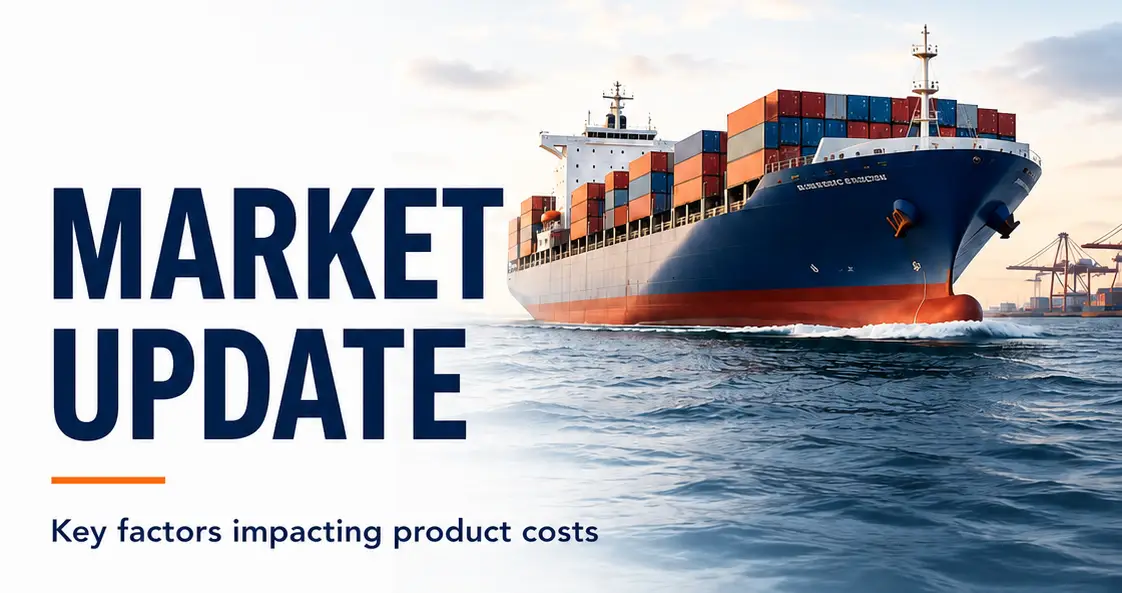
5. Ocean Freight Rates Remain High
Transpacific shipping rates remain near multi-year highs, with year-over-year increases of 40% to 80%, depending on the trade lane.
6. Ocean Freight Capacity Is Tightening
Shipping carriers have announced capacity reductions of 12% to 15% across Asia–U.S. routes, limiting available shipping space and helping sustain higher freight rates.
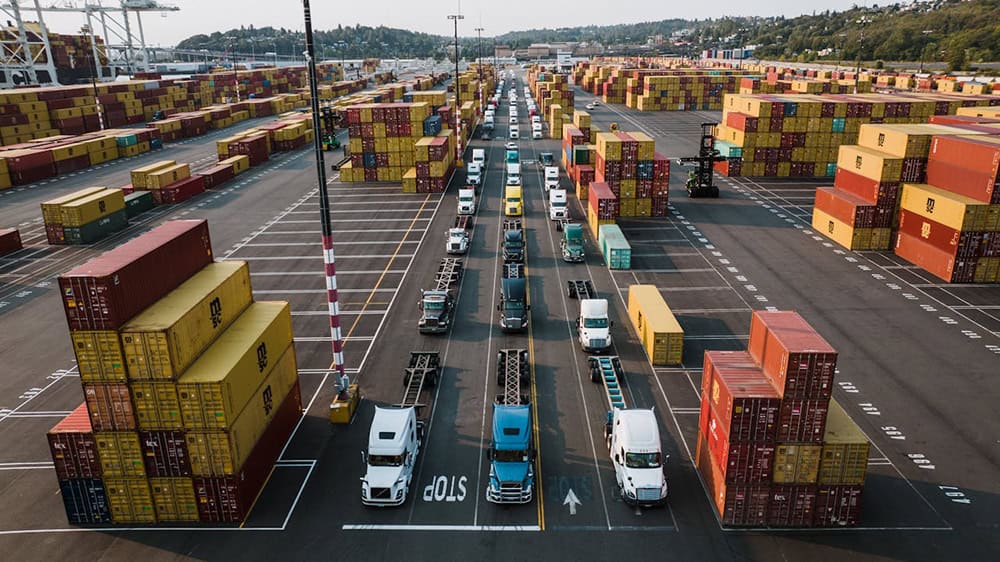
7. Inland Transportation Is Getting More Expensive
Elevated diesel prices, rising equipment expenses, and limited trucking capacity continue to increase domestic transportation and final delivery costs.
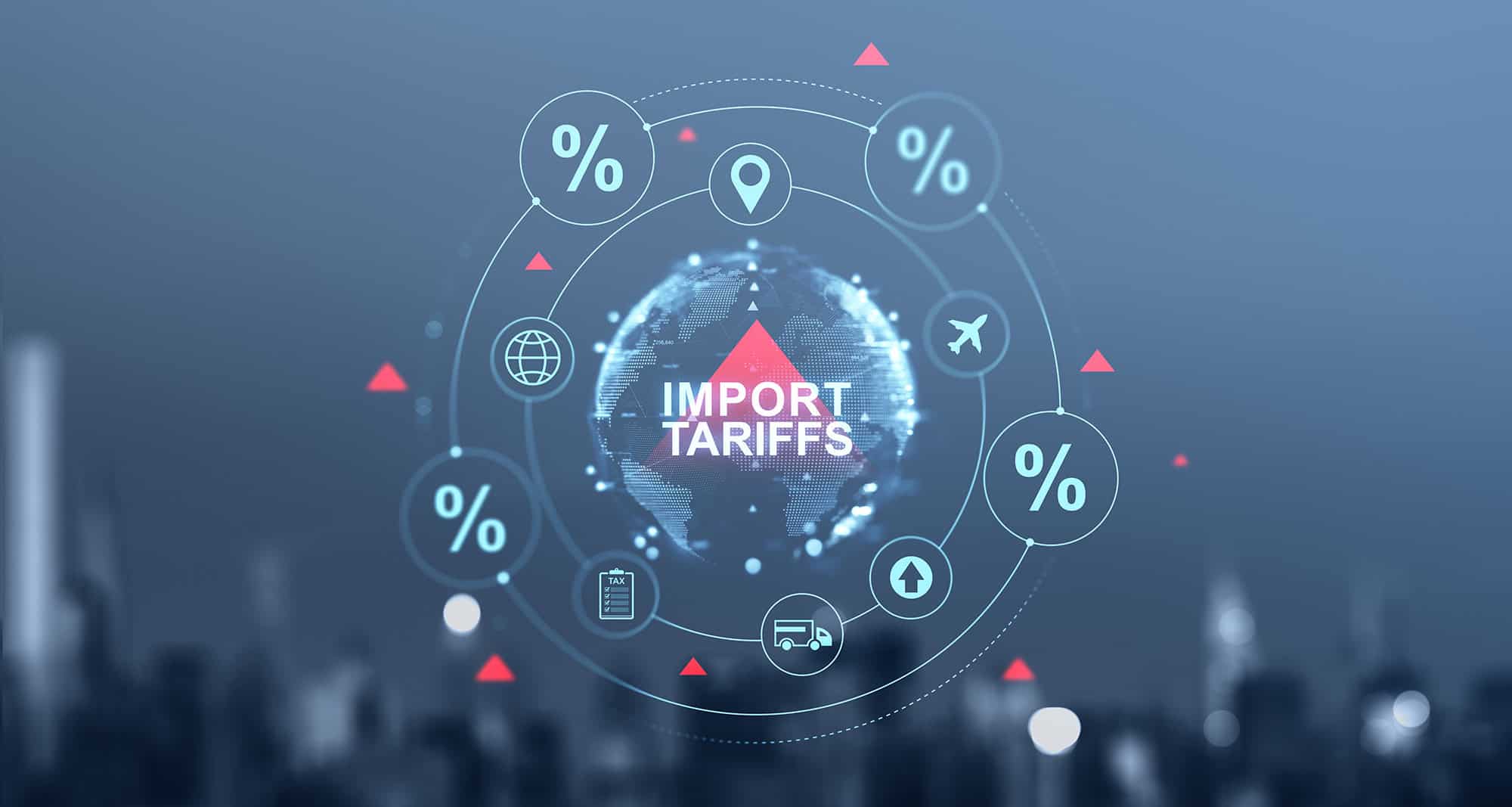
8. Import Tariffs Continue to Add Costs
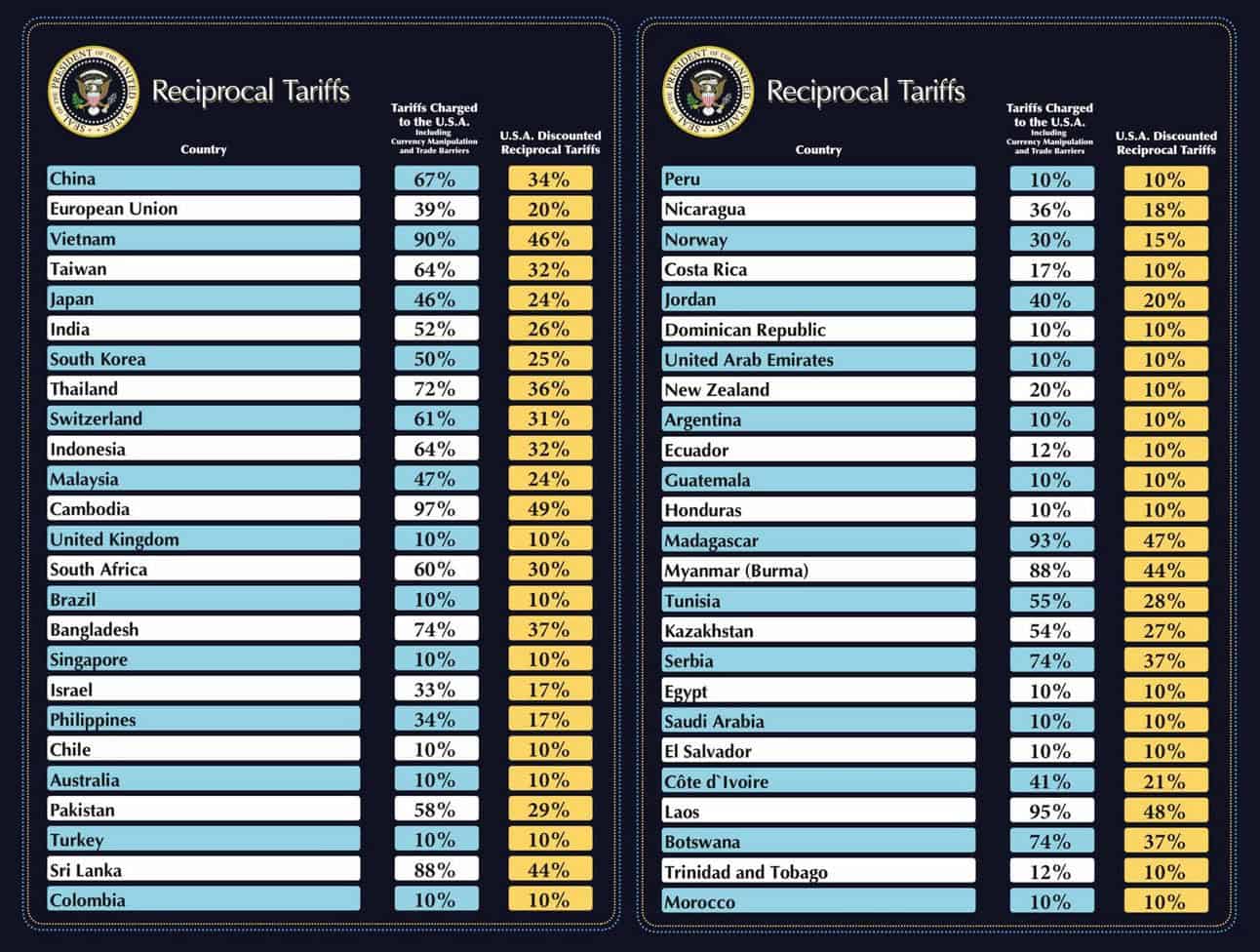
Existing tariffs remain an additional expense on affected imported industrial products, increasing their total landed cost.
9. Manufacturing and Supply Constraints Persist
Tighter production capacity, environmental restrictions, longer procurement cycles, and shortages of critical chemical additives in Asia are contributing to extended lead times and potential cost increases.
10. Global Manufacturing Costs Are Rising
Producer prices are increasing across major manufacturing economies, including the United States, Canada, China, and India, reflecting broader inflationary pressures.
The Bigger Picture
Rising industrial product costs are not the result of one isolated issue. They reflect a combination of pressures affecting nearly every stage of the supply chain, from raw material production through final delivery.
While individual costs may fluctuate, the cumulative effect continues to influence industrial product pricing.
At GCP Industrial Products, we monitor these developments closely and share regular market updates to help our customers stay informed.
Want a deeper look at the trends shaping industrial markets? Explore our latest Industrial Sector Trade Report for additional insights and analysis.
Sincerely,
The GCP Team